Cenergy Co., Ltd. operates a wide range of energy businesses, including solar power generation, and manages power plants across Japan. Ensuring the stable operation of these plants requires not only equipment maintenance but also robust security and monitoring systems.
As part of these efforts, the company introduced "Solar AI asilla" with the goal of strengthening the monitoring system at its solar power plants.
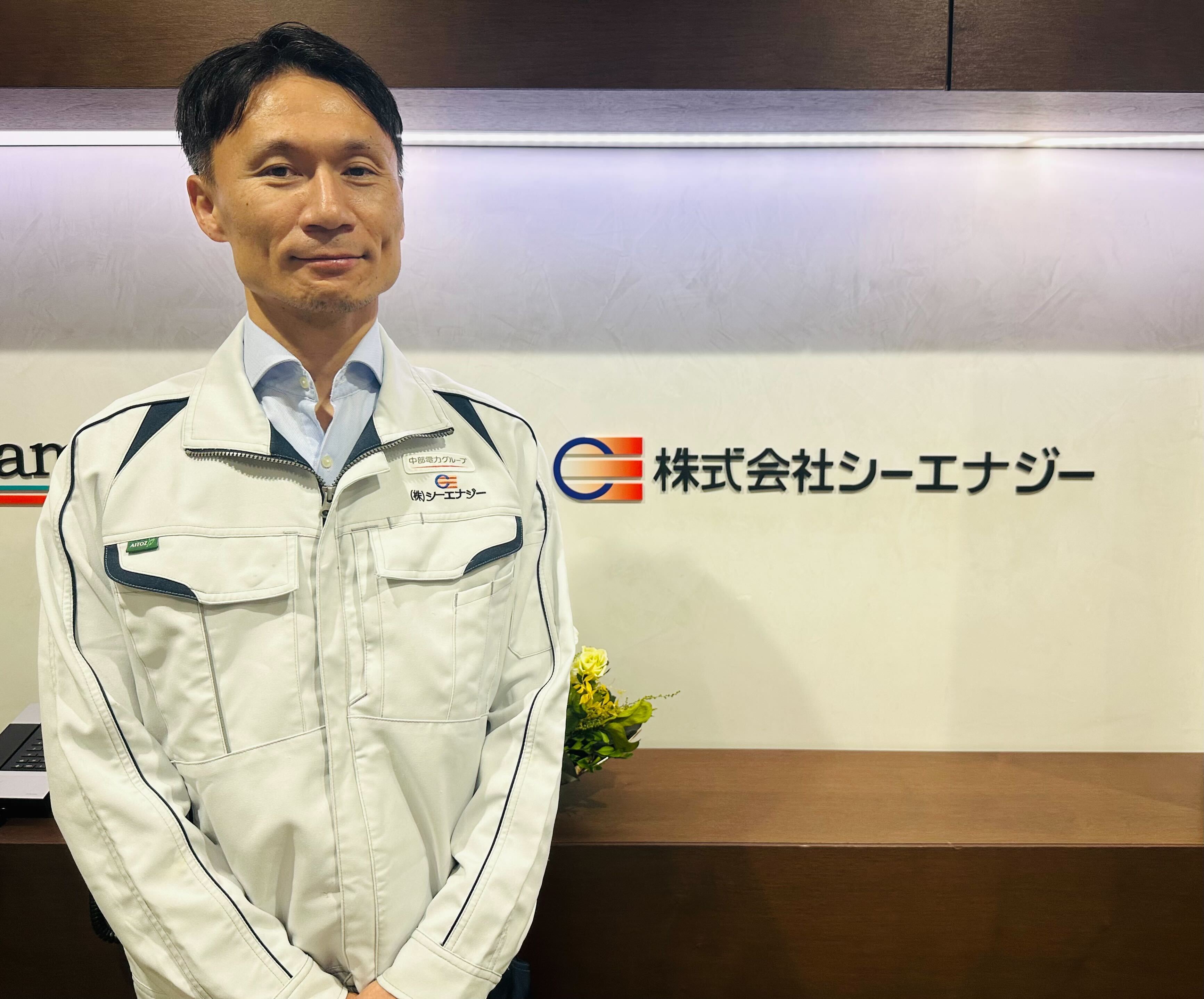
We spoke with Mr. Kubo, Section Chief of the Facilities Division at Cenergy's Kanto Branch, who oversees the operation and management of multiple power plants, about the challenges of plant operations, the background to adopting "Solar AI asilla," and how the system is being used in practice.
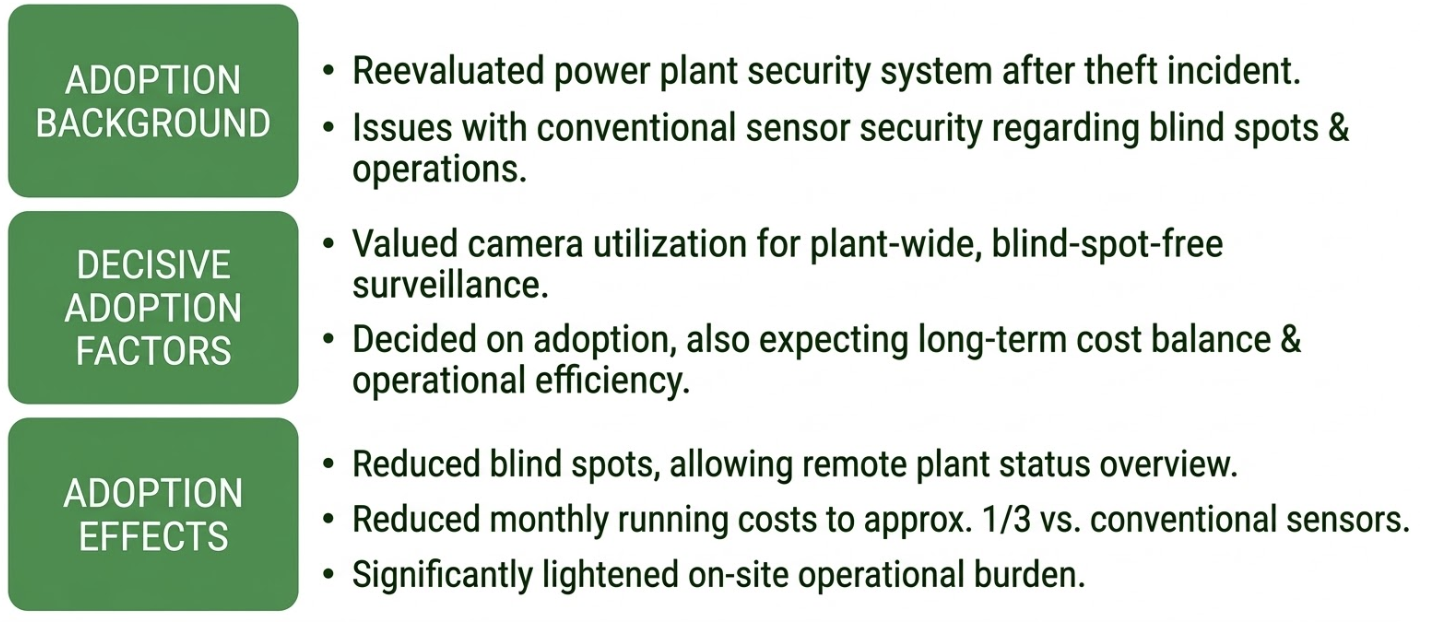
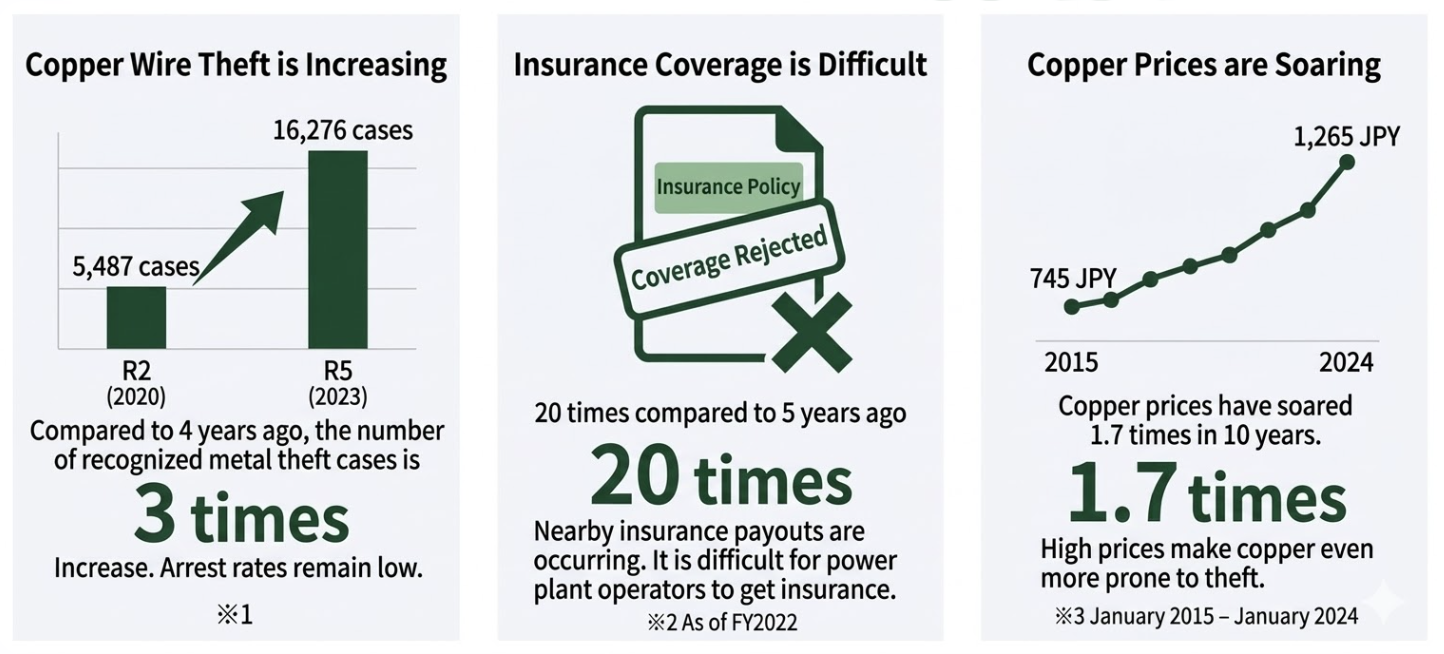
Mr. Kubo:Since solar power plants are fundamentally unmanned, "security measures" are actually just as important as day-to-day maintenance. Copper wire theft has been surging nationwide, and unfortunately, our own plants have been victimized.
Beyond the direct damage to the cables themselves, when you factor in restoration work and the loss of electricity sales revenue due to generation downtime, the total damage can reach tens of millions of yen. This incident led us to recognize the need to fundamentally reassess our intrusion monitoring systems, and we began exploring ways to strengthen our surveillance and security arrangements.
Mr. Kubo:Previously, we operated a security system that combined sensor detection with a rapid-response dispatch service. However, we experienced frequent false alarms triggered by wind and animals, and managing these was a real challenge. There was also no small amount of operational burden involved in tasks like clearing vegetation to prevent interference with the sensors.
Even when an alert came in, it was often difficult to immediately determine whether it was a genuine intrusion, and in some cases it took considerable time to understand what was actually happening on-site. We felt that improvements to our monitoring approach were necessary.
Mr. Kubo: Since sensor-based monitoring had its operational drawbacks, we began looking into alternative methods. What caught our attention was camera-based surveillance. The ability to directly check the situation on-site via video footage seemed like a very good fit with our plant management structure.
Mr. Kubo: While gathering information with a focus on camera-based monitoring, I found "Solar AI asilla" through an internet search.
When it comes to plant security, having a system that can keep a constant eye on areas vulnerable to intrusion is essential. The fact that AI analyzes existing camera footage 24 hours a day, 365 days a year, and can instantly detect anomalies struck me as an excellent match for the kind of monitoring system we were looking for. After that, our representative Mr. Shinagawa provided us with a detailed proposal, and our evaluation process moved forward concretely.
Mr. Kubo:The deciding factors came down to two main points: "operational efficiency" and "cost performance."
On the efficiency side, the mechanism by which AI detects anomalies from video footage and immediately notifies our monitoring center was extremely smooth. Knowing that we could dispatch security personnel based on those notifications, we felt confident that we could build a highly effective monitoring system.
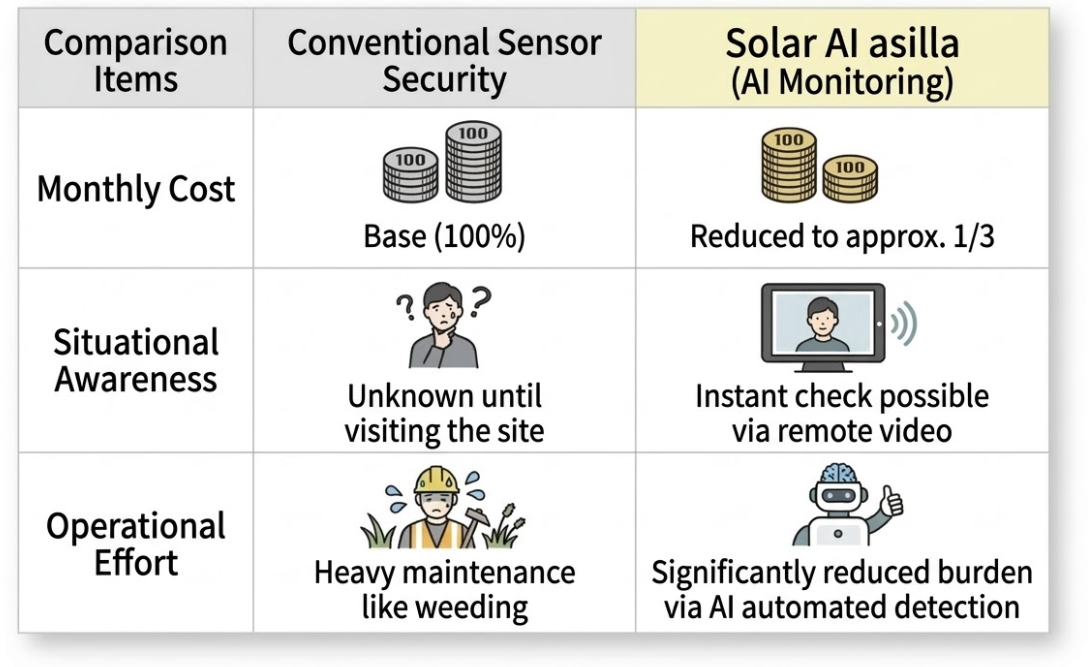
Cost was also decisive. The combination of sensors and a dispatch service carried significant monthly expenses, but by switching to camera-based monitoring, we have been able to cut our monthly costs to roughly one-third.
Of course, there were upfront costs such as camera installation, but when we calculated over a 10-year horizon, it was clear that the savings on monthly costs would more than offset the initial investment. When weighed against the risk of suffering tens of millions of yen in theft losses, we judged it to be an extremely cost-effective investment and made the decision to proceed.
Mr. Kubo:Fortunately, since the implementation we have been able to operate stably without any incidents such as intrusions.
Previously, because the site is so large, there was always some uncertainty about whether we were adequately covering every area. But now that we have established a camera-based monitoring system, it has become much easier to grasp the overall status of the plant, and I feel that our peace of mind has improved dramatically.
With the previous sensor-based monitoring, there were situations where even receiving a notification made it difficult to immediately determine what was happening on-site. Now that we can check the situation directly through camera footage, I feel a strong sense of confidence in our management system.
Mr. Kubo:When we first installed the system, there were actually some locations that were harder to cover depending on how the cameras were positioned. We worked closely with Asilla to make fine adjustments to the placement and angles. Thanks to those efforts, there are now almost no blind spots, and we have established a system that covers the entire plant.
Eliminating the anxiety of "there might be places we can't see" has brought our operational team a level of reassurance that is incomparable to before.
Mr. Kubo: During operations, there was a period when camera footage temporarily became unavailable. When I consulted with Asilla, they worked through the situation with us, identified the cause, and carried out the necessary response, allowing us to restore the system relatively quickly.
Since many of our plants are managed remotely, having someone who can work through problems alongside us when issues arise is truly reassuring. The fact that the support doesn't end at installation — that they continue to back us up throughout ongoing operations — gives us tremendous confidence.
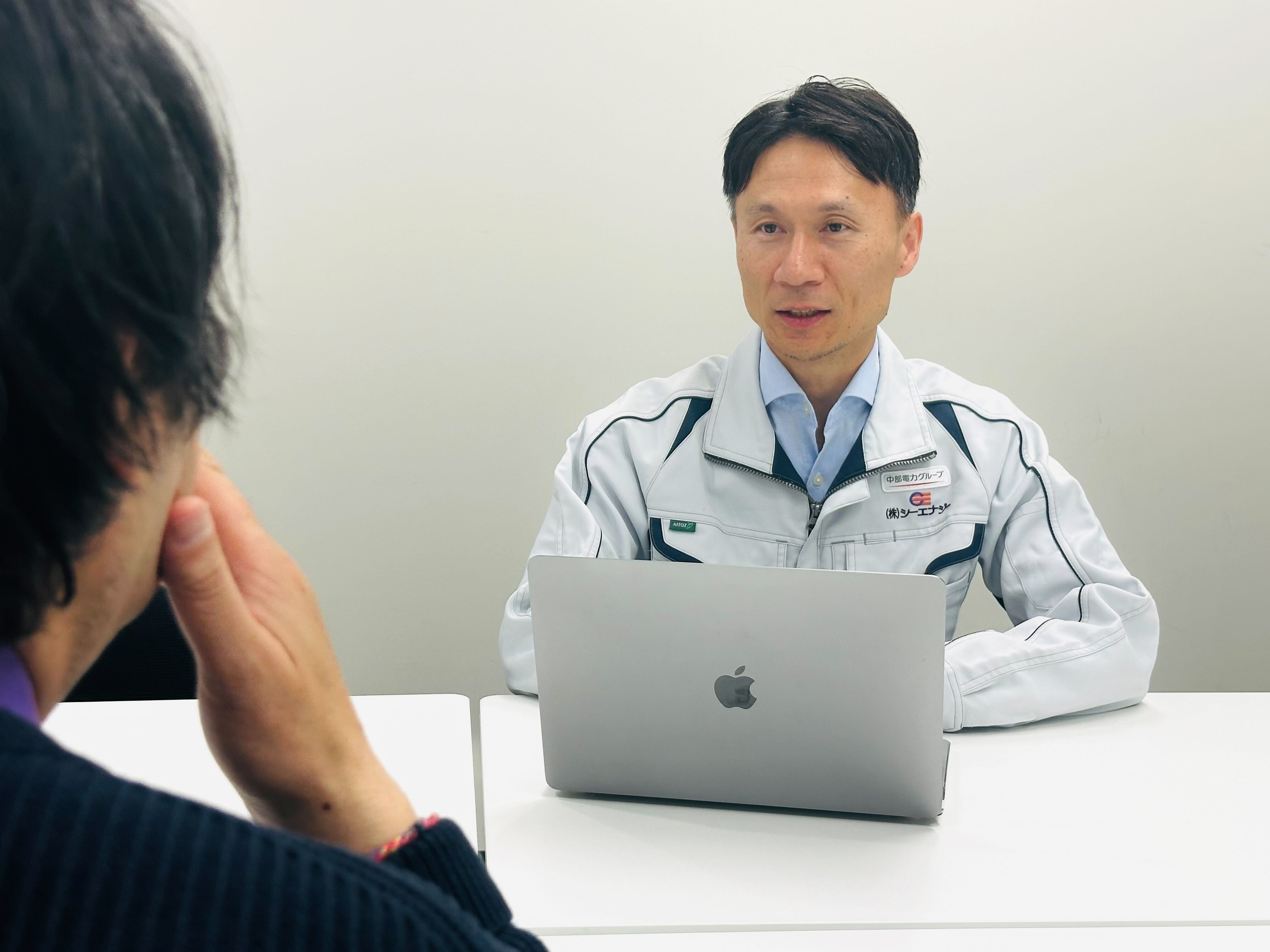
Mr. Kubo: Many solar power plants operate unmanned, making it difficult to regularly check on-site conditions. For that reason, how to build an appropriate monitoring system against risks such as intrusion and theft is a shared challenge for many operators.
Our company, too, truly felt the weight of the need to overhaul our monitoring system only after actually experiencing a theft. Now that we have incorporated AI-based analysis and can check the status of our entire plant via video at any time, we have achieved a level of peace of mind that is beyond comparison with before.
From the standpoint of protecting the stable operation of a plant, I feel that introducing an advanced monitoring system like this carries tremendous value.
Mr. Kubo: Looking ahead, I hope to see further improvements in nighttime detection accuracy and detection range. Since nighttime monitoring is critical for power plants, expanding the coverage area would allow us to build an even more efficient monitoring system.
For example, if a single camera could cover a wider area, that would mean fewer cameras needed in total. That would also help keep initial costs down, making it easier to roll out the system to our other plants.
I look forward to seeing "Solar AI asilla" continue to evolve so that it can be utilized at more and more sites as a monitoring solution for solar power plants.
.png)
Solar AI asilla is a total security solution specialized in intrusion detection for solar power generation facilities, handling everything from real-time detection through to response in a single integrated system.
Swift Detection. Reliable Response."Solar AI asilla" achieves robust security by combining AI × Surveillance Cameras × Deterrent Devices.We minimize false alarms and reduce intrusion risks to safeguard your most important facilities.Whether you are facing challenges with solar power plant management or seeking to upgrade your security measures, please don't hesitate to reach out to us.
< Contact Us >https://tayori.com/f/asillacontact/