
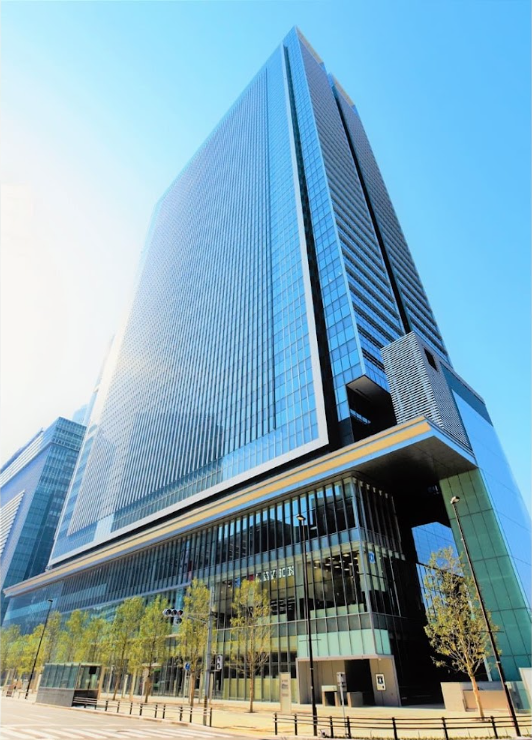
Directly connected to Nagoya Station, JP Tower Nagoya rises 40 stories above ground. It is a large-scale mixed-use complex that integrates offices, the commercial facility "KITTE Nagoya," and a hall & conference center. Events are regularly held in its three-story atrium, and many people pass through the facility every day.
Tokyu Community Corporation (hereinafter "Tokyu Community"), which is entrusted with facility management of the building, began a proof-of-concept trial with Asilla in October 2024 and is now moving forward with full-scale operation of the AI security system "AI Security asilla" to enhance security quality.
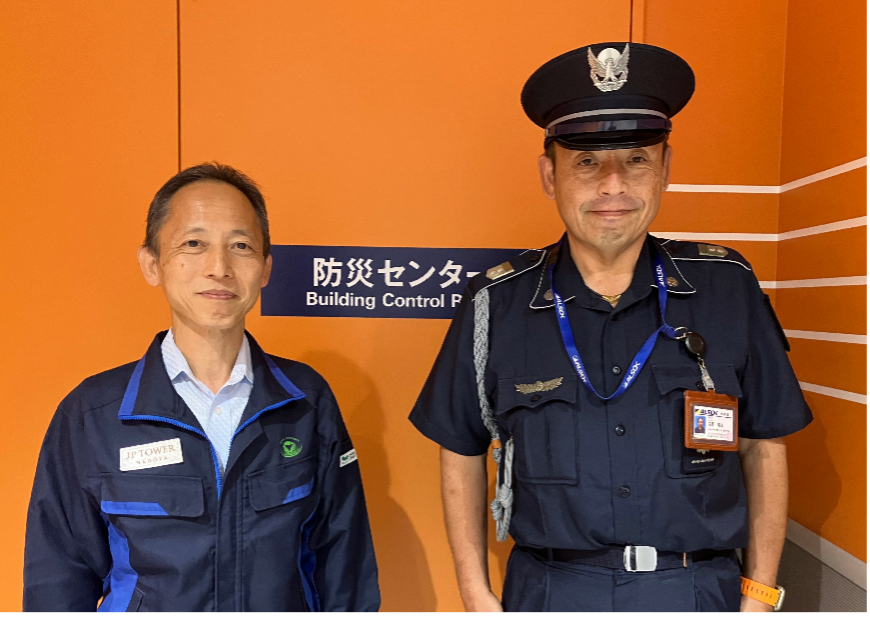
For this article, we spoke with two people: Miyazaki, Manager of the JP Tower Nagoya Operations Center at Tokyu Community, which handles facility management, and Sano, Captain of the JP Tower Nagoya Security Team at ALSOK Aichi Co., Ltd., which handles on-site security operations. We asked them about the background to the introduction, how the system is being used, and their outlook for the future.
.jpeg)
Miyazaki (Tokyu Community): JP Tower Nagoya is a mixed-use complex that brings together diverse functions, including office floors, the commercial facility "KITTE Nagoya," and a hall & conference center. Because it is directly connected to Nagoya Station, an extremely large number of people pass through every day. Given these characteristics, protecting the safety of users has always been our top priority.
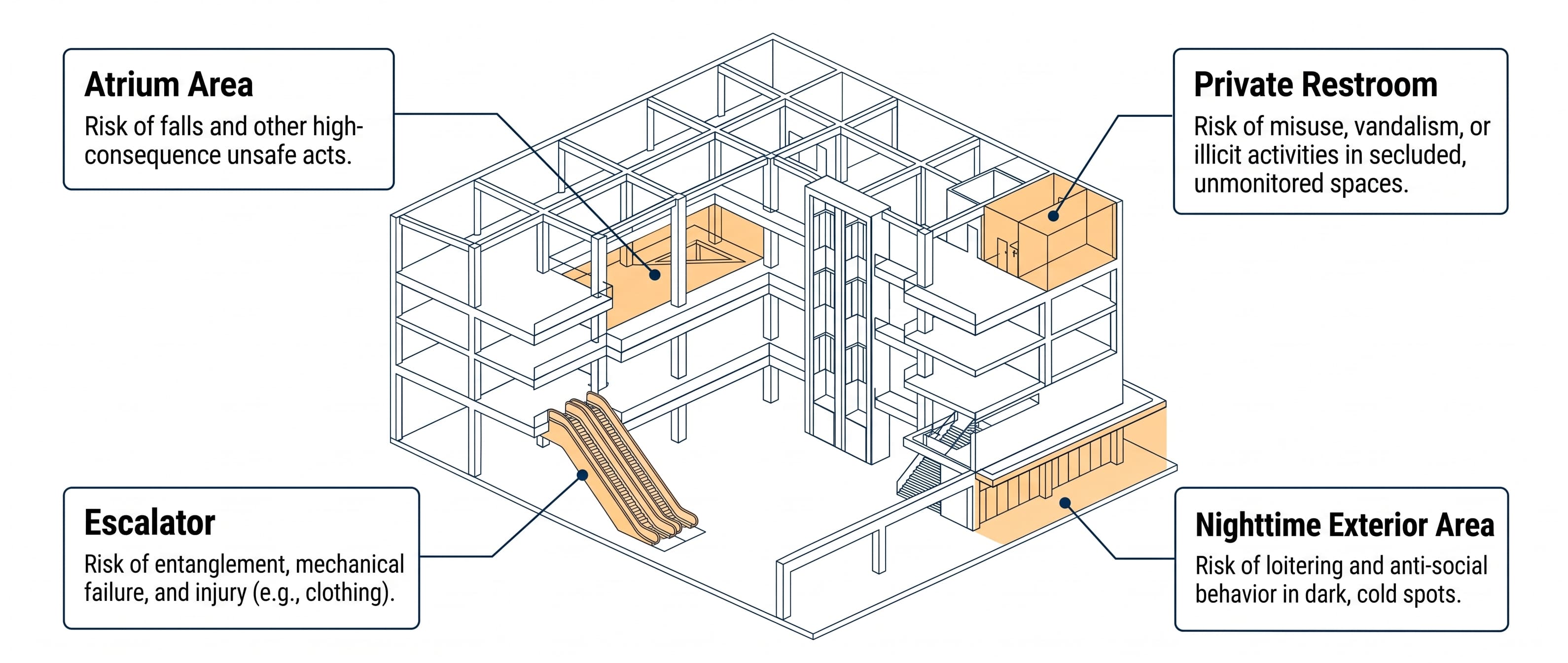
Within this vast facility, there are many areas that require attention, including open spaces such as the three-story atrium, the areas around escalators used by many visitors, and the exterior grounds at night. We needed a mechanism that could further strengthen our conventional patrol-based framework.
Sano (ALSOK Aichi): As a security guard patrolling the facility every day, I always felt how difficult it is to cover a facility of this size with human eyes alone. We patrol at regular intervals, but when something happens between patrols, we inevitably notice it late.
Responding at night and in areas that are hard to keep an eye on was a particular challenge. On-site, we also felt that if we had a mechanism to complement our patrols, we could provide higher-quality security.
Miyazaki (Tokyu Community): Increasing patrol staff was one option, but that alone would not be a fundamental solution. Rather than adding more people, we felt it was important to add a "mechanism for noticing" while making use of our existing framework.
It was while we had these concerns that Asilla's AI security system was introduced to us.
What attracted us was that, rather than installing new cameras, the AI analyzes footage from the cameras already in the facility. We had a sufficient number of cameras, so we felt there was every reason to make use of them.
[Insert image] (Caption: Security system "AI Security asilla" response flow)
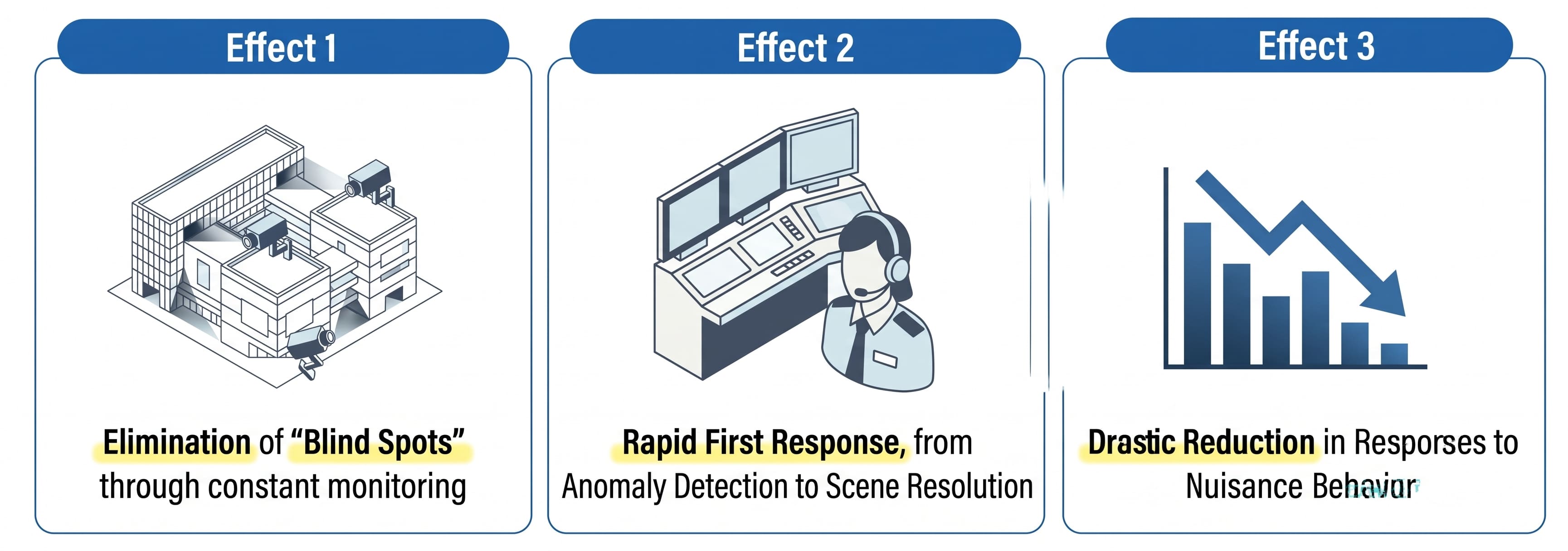
Miyazaki (Tokyu Community): There were two main deciding factors: "eliminating blind spots" and "speeding up initial response."
First, what we realized through the trial was that events we had not been able to notice became visible. Because AI constantly covers areas that were hard to keep an eye on, there were many moments when we became aware of things such as dangerous behavior in the atrium area, young people loitering at night, and bicycles parked in prohibited areas, and thought, "So this was happening."
Sano (ALSOK Aichi): For us on-site, the biggest thing was that it led to a faster initial response.
For example, because AI detects unauthorized use of specific areas in real time, we can now immediately go on alert. Things we could previously notice only during patrols can now be grasped and addressed at an early stage.
I think confirming this effectiveness through the trial was the deciding factor for full-scale operation.
Sano (ALSOK Aichi): Broadly speaking, we use it for safety management within the facility and for nighttime response.
For safety management within the facility, the first use is detecting dangerous behavior in the atrium area.
The three-story atrium is a symbolic space of the facility, but from a safety-management perspective it is also an area that requires attention. When AI detects dangerous behavior, an alert is raised immediately, enabling a quick response. We also use it for safety management around escalators. For highly urgent events such as clothing getting caught, how quickly they are discovered directly determines the quality of the response.
Because AI detects these in real time, we can now respond far faster than before.
Sano (ALSOK Aichi): We are also seeing effects in our response in the exterior grounds at night.
There are cases where young people gather after business hours, but because AI detects this, we can now grasp the situation and respond at an early stage.
We also use it as a countermeasure against misuse of private restroom stalls. AI detects people lingering in specific areas; at that point we check the footage and, as needed, a patrolling guard heads to the vicinity to speak to them. We have strengthened security through this operation.
Since we started this operation, the number of cases involving misuse of private restroom stalls has decreased significantly.
Being able to grasp the situation in real time without relying on patrol timing has contributed greatly to improving security quality.
Miyazaki (Tokyu Community): Overall, what I can say is that "what we couldn't see before has become visible." With AI covering the entire facility 24 hours a day, 365 days a year, we can now detect and respond early to events that patrols alone could not catch.
The quality of security is determined by how quickly you notice and how quickly you respond. I feel that introducing asilla has greatly improved both the speed and accuracy of that "noticing."
For the facility to continue being a place visitors can use with peace of mind, I believe the use of technology like this will become increasingly important.
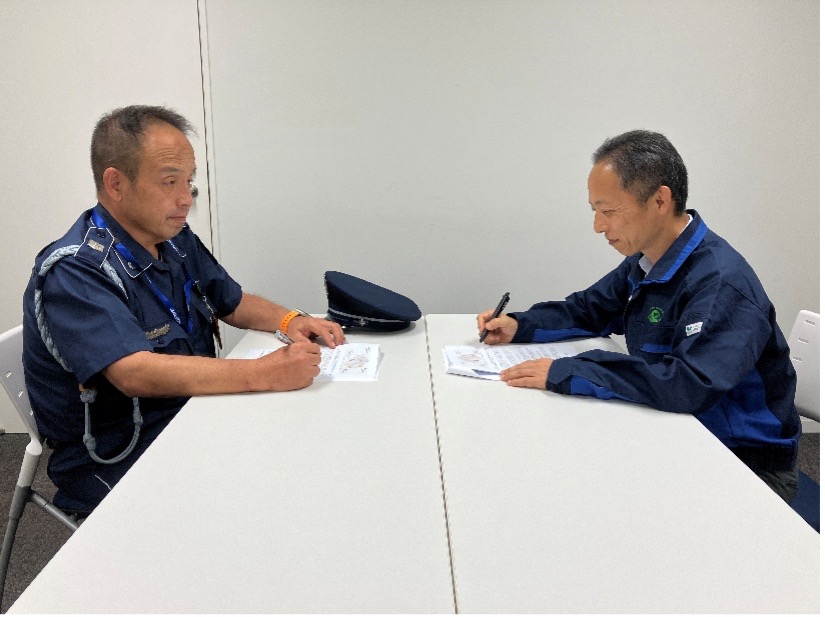
Miyazaki (Tokyu Community): As we have moved from the proof-of-concept trial to full-scale operation, we have come to feel the potential of AI-powered security. Going forward, by further expanding the detection targets, we want to build a framework that covers facility safety management more comprehensively.
In addition, by accumulating and analyzing detection data, we would like to understand which events tend to occur in which areas, and connect this to building a preventive security framework.
Sano (ALSOK Aichi): From the standpoint of the front line, there is a great sense of reassurance in having AI constantly watching over the facility as "another set of eyes." Another major change is that security guards can now focus on duties that require greater judgment.
Going forward, we want to deepen our collaboration with asilla and build a higher-quality security framework in which people and AI each make use of their strengths.
Miyazaki (Tokyu Community): Located directly connected to Nagoya Station, JP Tower Nagoya is used by many people every day. To continue providing a safe, secure, and comfortable environment for all visitors, we will further deepen our collaboration with asilla.
"Next-Generation AI Security System 'AI Security asilla' Begins Full-Scale Operation at JP Tower Nagoya"
https://jp.asilla.com/post/jptower-nagoya-20250527

.png)